(616) 498-1316

News

Honoring the Human–Animal Bond: IAAHPC and Heaven at Home’s Role in Advancing Pet Hospice & Palliative Care

September 29th, 2025 by Ima Admin

For many pet parents, our four-legged companions are not just animals—they’re family. When pets reach the later stages of life, families often face difficult decisions about how to provide comfort, dignity, and love during their final days. That’s where the International Association for Animal Hospice and Palliative Care (IAAHPC) and Heaven at Home Pet Hospice step in, with a shared mission: to support families and elevate end-of-life care for pets. Read the rest of this entry »


Video: How to Identify Pain in Dogs

September 25th, 2025 by Ima Admin

What: Michelle Van Harn, LVT and hospice nurse at Heaven at Home, explains how to recognize subtle signs that your dog is experiencing pain. Pets generally don’t cry out when they are in pain, so as they age, we have to be vigilant and learn to spot the clues. Michelle also shares some easy, non-invasive ways to help manage pain symptoms in pets.

Why It Matters: We hear from our pet owners every day that they don’t want their dogs to suffer. To have our dogs live their best possible lives, we need to identify and, with the help of our vet, ameliorate their pain.

You can download and print the Colorado State Acute Canine Pain Scale here.

For more videos about senior dog and cat tips, subscribe to Heaven at Home on YouTube or browse our Video Category in our Resource Center!


Video: Dog Bed Tips – Crucial Comfort for Senior Pets

September 5th, 2025 by Ima Admin

What: Our Hospice Nurse, Michelle Van Harn, LVT, gives you a quick primer on different styles and materials used in pet bedding, adding how each can help manage senior pet pain as well as some shortfalls to watch out for when making a selection.

Why It Matters: What kind of bed you provide for your senior pet can go a long way in managing any pain they’re experiencing. Simply selecting the right bed for your senior pet’s symptoms is a non-invasive way to increase comfort and possibly their mobility. It may also reduce the amount of pain medication needed.

For more videos about senior dog and cat tips, subscribe to Heaven at Home on YouTube or browse our Video Category in our Resource Center!


Ingredients of a “Good Death” For Your Senior Companion Animal – Quality of Life Assessment

August 29th, 2025 by Ima Admin

It’s difficult to imagine life without your senior pet, and making a decision to euthanize can be complex and heart-wrenching. However, as our beloved pets age, monitoring their comfort and happiness becomes an essential part of responsible, compassionate care. This monitoring ultimately helps ensure a golden final chapter and peaceful close to his or her life story. One of the most valuable tools available to pet parents is a Quality of Life (QOL) scorecard.

“This simple yet insightful tool offers a snapshot in time of your pet’s well-being, helping to guide thoughtful decisions as they approach their final life stage. You are your pet’s most important advocate. Your daily observations—the tail wags, the appetite dips, the moments of joy or discomfort—are what shape a complete picture of your pet’s life quality,” said Dr. Laurie Brush, founder of Heaven at Home Pet Hospice.
Read the rest of this entry »


How to Exercise Your Arthritic Senior Dog Safely

July 1st, 2025 by Ima Admin


As dogs age, it’s common for arthritis to slow them down. But that doesn’t mean your golden oldie has to give up the things they love. With gentle movement, you can help your senior dog feel better and stay active.

“Regular, low-impact exercise is essential for arthritic dogs. Exercise has been shown to reduce pain, improve muscle mass, and allow dogs to continue to do the things important to them,” said Dr. Laurie Brush, founder of Heaven at Home Pet Hospice.

“Gentle exercise is key.”

The trick is to choose low-impact activities that won’t put too much stress on painful
joints. Read the rest of this entry »


Should You Consider Adopting a Senior Pet?

May 9th, 2025 by Ima Admin

Adopting a senior pet can be one of the most rewarding, compassionate decisions you make. You know what you’re getting, they’re often already trained, and they’re calmer companions who, if left in a shelter, are at risk for early euthanasia.

“It’s important to make sure adopting a senior pet is the right match for your lifestyle and home. Older dogs and cats often need a little extra care, but they give back tenfold in love, gratitude, and companionship,” said Dr. Laurie Brush, founder of Heaven at Home Pet Hospice.
Here are four questions to help you make that assessment. Read the rest of this entry »


Leptospirosis Update: Urban Risk & Vaccine Recommendation

April 28th, 2025 by Ima Admin

Leptospirosis is a potentially fatal bacterial disease that affects dogs and is zoonotic, meaning it can be transmitted to humans. In the past, it was considered higher risk for animals in rural areas with access to warm, wet, stagnant areas such as standing water, mud puddles, and even swollen rivers and ponds, where it can linger for months after being shed by wildlife and rodents when they urinate.

Leptospirosis is most often transmitted to dogs through mucous-membrane (mouth, nose or eye) contact with the urine of infected animals and/or contaminated food, bedding, soil, or water. Dogs may also be infected through the bite of, or by eating, an infected animal. Raccoons, skunks, opossums, rats, cows, and pigs are all known carriers of the infection. Dogs can also become infected from close contact with another infected dog.

Historically, vaccination against leptospirosis was considered “non-core,” (elective) recommended primarily for dogs with specific risk factors or living in higher risk areas. However, recent developments have led major veterinary organizations, including the American Animal Hospital Association (AAHA) and the American College of Veterinary Internal Medicine (ACVIM), to reclassify the leptospirosis vaccine as “core” (essential) for all dogs.

“This shift underscores the importance of universal vaccination to protect canine health. Infection can lead to severe health issues, including kidney and liver failure, and can be fatal if not promptly treated. It can also be transmitted from animals to humans, posing public health concerns,” said Dr. Laurie Brush, founder of Heaven at Home Pet Hospice.

Early signs of Leptospirosis include:

  • Loss of appetite
  • Increase or decrease in urine production
  • Uncharacteristic inactivity
  • Vomiting
  • Diarrhea
  • Abdominal pain
  • Severe weakness and depression
  • Stiffness
  • Fever

Why Vaccinate Against Leptospirosis

  1. Increased Prevalence: Leptospirosis has been reported in diverse geographic
    regions including Michigan, affecting dogs of all sizes, breeds, and lifestyles,
    including those in urban areas.
  2. Improved Vaccine Safety: Advancements in vaccine formulations have enhanced
    safety profiles, reducing the incidence of adverse reactions.
  3. Expert Recommendations: Organizations like AAHA and ACVIM have updated their
    guidelines to recommend annual leptospirosis vaccination for all dogs starting at 12 weeks
    weeks of age, reflecting a consensus on the necessity of widespread immunization.

Protecting Your Cats (and Dogs) from Avian Flu

March 31st, 2025 by Ima Admin

Millions of migratory birds and hundreds of commercial flocks in Michigan and surrounding states were infected with H5N1 Avian – “Bird” – flu this winter. The strain most deadly to felines was found in American dairy cattle as early as March of 2024, and then was found in unpasteurized milk and some brands of raw pet food earlier this year, causing illness and euthanasia in dozens of cats. Bird flu threatens to become pervasive this spring, and it’s vitally important that pet parents remain vigilant in the face of a pet pandemic.

“This strain of Avian flu is especially dangerous for senior felines. In Michigan, indoor cats on dairy farms have contracted it through indirect exposure. This suggests it’s highly contagious. Watching for early symptoms and protecting your pet is vital,” said Dr. Laurie Brush, founder of Heaven at Home Pet Hospice. Read the rest of this entry »


The Pet Effect – Ways Dogs Can Improve Cancer Therapy & Potential Pet Care Challenges

October 7th, 2024 by Ima Admin

Lower blood pressure. Feelings of well-being from the release of oxytocin. Increase in blood oxygenation. Improved endocrine responses.

There are many reasons dogs have earned the title of “(wo)man’s best friend,” and research continues to find new ones.

The Human Animal Bond Institute (HABRI) currently has more than 30 ongoing studies that investigate the impact of our companion animals in specific scenarios, from children with autism spectrum disorders to healthy aging. At the heart of this research are the scientifically documented benefits of the human-animal bond, which include decreased blood pressure, reduced anxiety, and enhanced feelings of well-being.

In humans undergoing chemotherapy treatment for cancer, research has shown that animal-assisted activities reduce depression by as much as 50%.

“Numerous studies suggest that pet ownership offers emotional support and connection for cancer patients,” said Dr. Laurie Brush, founder of Heaven at Home Pet Hospice. “The challenge can be to find ways to simplify pet care for owners undergoing treatment, particularly when the companion animal is also aging or has a life-limiting disease.”

HABRI announced funding for a new research project that will explore the challenges cancer patients encounter in caring for their pets throughout the course of their treatment and recovery. Researchers at the University of Colorado will be looking for gaps and interventions to better address their pet-related needs – because the physiological and psychological benefits are worth it:

  • Interacting with dogs has been shown to lower cortisol levels, which is associated with stress. This reduction in stress hormones can lead to a decrease in blood pressure and heart rate, promoting a sense of calm and relaxation.
  • Petting a dog triggers the release of oxytocin, a hormone that enhances feelings of trust and bonding. Oxytocin not only helps in reducing stress but also improves social interaction and emotional resilience.
  • Patients who engage in regular physical activity, such as walking with a dog, tend to experience better overall outcomes during their therapy. The exercise not only boosts cardiovascular health but also increases blood oxygenation and enhances the body’s natural immune response.
  • Companionship of a dog can alleviate feelings of isolation and loneliness that are common among cancer patients. The presence of a loyal, non-judgmental companion can significantly improve a patient’s mood, providing a distraction from the rigors of treatment.

“Ensuring support for pet care during cancer treatment is vital for both the companion animal and his or her human counterpart,” Dr. Brush said. “My hope is that HABRI’s new research project helps coordinate good planning across health care, social service and veterinary professionals.”

Visit the PetHospiceVet.com blog for tips on senior companion animal care and more.


Recognizing and Alleviating Pain in Aging Pets: IAPVM Pet Pain Awareness Month is September

September 20th, 2024 by Ima Admin

Dr. Laurie Brush of Heaven at Home Pet Hospice Highlights Key Research and Practical Tips for Pet Owners

[GRAND RAPIDS, MI] – In recognition of Pet Pain Awareness Month, established by the International Association for Veterinary Pain Management (IAPVM), Dr. Laurie Brush, DVM and founder of Heaven at Home Pet Hospice, is urging pet owners to recognize the signs of pain in their aging companions and take proactive steps to ensure their comfort.

“Pain is a significant yet often overlooked aspect of our pets’ lives, especially as they age,” says Dr. Brush. “Many pet owners mistakenly believe that slowing down or showing less enthusiasm for play is a natural part of aging, when, in fact, these can be indicators of chronic pain.”

Dr. Brush was one of the first veterinary specialists certified by the International Association for Animal Hospice and Palliative care as a Hospice and Palliative Care Veterinarian (CHPC). She currently serves as a member of the IAAHPC advisory board that advocates for improved quality of life for companion animals through compassionate care.

Recent studies underscore the prevalence of pain in pets, particularly in older animals. Research from the American Animal Hospital Association (AAHA) reveals that nearly 80% of dogs and cats over the age of eight suffer from some form of arthritis. However, only a fraction of these pets receive adequate pain management, as owners often misinterpret or fail to recognize the signs of discomfort.

Recognizing the Signs of Pain in Pets

Pets cannot verbalize their discomfort, so it’s essential to be vigilant for subtle signs that may indicate pain. Common symptoms include:

  • Changes in Behavior: Increased irritability, reluctance to be touched, or withdrawal from social interaction.
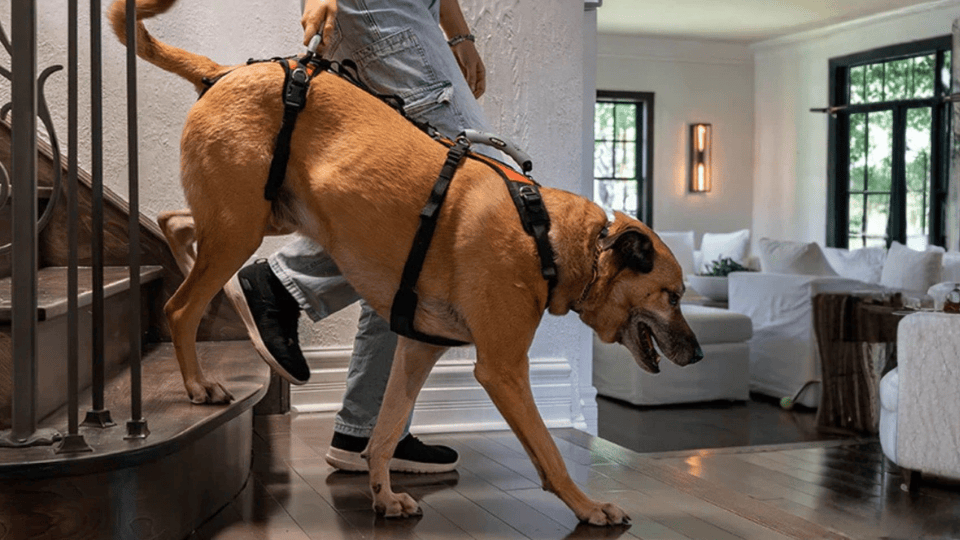
  • Mobility Issues: Difficulty rising, limping, or a reluctance to climb stairs or jump.
  • Altered Eating and Drinking Habits: A decrease in appetite or difficulty chewing.
  • Vocalization: Whining, whimpering, or excessive barking.
  • Restlessness or Inability to Settle: Constant pacing or difficulty finding a comfortable position.

“By observing these signs, pet owners can take the first step toward alleviating their pet’s pain,” Dr. Brush notes. “Early intervention is key to improving quality of life for aging pets.”

Ways to Make Aging Pets More Comfortable

Dr. Brush recommends several strategies to help aging pets live more comfortably:

  1. Veterinary Consultation: Regular check-ups with routine care veterinarians are crucial. A vet can diagnose the underlying cause of pain and prescribe appropriate pain management options, such as medication or physical therapy. 
  2. Weight Management: Keeping pets at a healthy weight reduces strain on joints and muscles, minimizing pain.


  3. Comfortable Bedding: Provide orthopedic beds that offer support for aching joints, helping pets rest more comfortably.


  4. Low-Impact Exercise: Gentle exercise, such as short walks or swimming, can help maintain mobility without exacerbating pain.


  5. Environmental Modifications: Consider ramps or steps to help pets navigate the home, and ensure food and water bowls are easily accessible.


  6. Alternative Therapies: Acupuncture, laser therapy, and massage can be effective complementary treatments for managing pain.

Pet Pain Awareness Month is an important reminder that our beloved pets may be suffering in silence.

“Our pets rely on us to advocate for their comfort and well-being. By recognizing the signs of pain and seeking appropriate care, we can ensure that they enjoy their golden years to the fullest.”

For more information on recognizing and managing pet pain, visit PetHospiceVet.com for blog articles and downloads.

About Dr. Laurie Brush, DVM and Heaven at Home Pet Hospice

Dr. Laurie Brush is the founder of Heaven at Home Pet Hospice, a leading provider of compassionate, in-home end-of-life care for pets. With years of experience in veterinary medicine and a deep commitment to the human-animal bond, Dr. Brush and her team offer personalized hospice and palliative care services, helping pets transition with dignity and comfort.

Dr. Brush and members of her team are available for media comment and guest interviews to help promote the awareness of pet pain and new developments in pain management options.

To Schedule an Interview or Appearance Contact:

Kim Hoogerhyde,
Office Manager
Phone: 616.498.1316
Email: khoogerhyde@pethospicevet.com