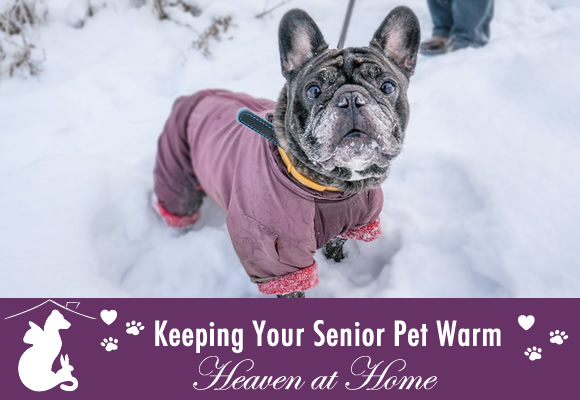
 Few topics inspire as much controversy as (faux?) fashion for our furry friends. Do they really need coats and booties, or is this a classic case of anthropomorphism? Inquiring minds want to know!
In actual fact, the suitability of pet outerwear depends on a number of variables, including your dog’s breed, coat, age and body condition, plus outdoor temperature and duration of exposure.
“Pets with diabetes, heart disease, kidney disease, or hormonal imbalances (such as Cushing’s disease) may have a harder time regulating their body temperature, and may be more susceptible to problems from temperature extremes,” said Dr. Laurie Brush, founder of Heaven at Home Pet Hospice.
Outerwear:
- As a general rule, if your dog will only be outside for 10 minutes or less, they typically do not need any clothing.
- Once temperatures drop under 20° F, all owners need to be aware that their dogs could potentially develop cold-associated health problems like hypothermia and frostbite. Watch for signs, including shivering, anxiety, and slowing down. Beware of the wind chill factor.
- Double-coated dogs such as Siberian Huskies and Newfoundlanders are very unlikely to need clothing.
- Shorter-haired breeds, senior dogs, puppies and dogs with medical conditions do benefit from the additional warmth.
Paw Protection:
One of the biggest threats to healthy paw pads is the salt used to melt ice on driveways, roads and sidewalks. Prolonged contact with deicers can lead to chemical burns on dog paws. Use pet-friendly salt, and cover your dog’s paws when out on walks with paw wax or booties.
- Booties offer the best protection: Options include rubber-sole styles with double Velcro straps, waterproof nylon socks, and disposable rubbers.
- For elderly dogs who are more prone to slipping and falling on ice, you may wish to try booties with a grip.
Bed Warmers for Arthritic Dogs and Cats
If your feline friend or canine companion is elderly and/or suffers from arthritis you may wish to offer a heated orthopedic bed. Styles range from simple heating pads to luxurious heated lounges. Use caution with external heat sources, ensuring your pet is able to get up and move off the heat source if he/she becomes too warm. You may wish to discuss the type of heat source you should use with your veterinarian.


 Making the decision to euthanize a pet is the hardest thing a pet parent has to do. However, deferring or avoiding the decision can allow a degree of suffering that no one would deliberately wish on their loyal companion. Natural death is rarely humane. But how do you know when the kindest act you can offer is to plan to say goodbye? How do you know when your beloved companion is ready to cross the “Rainbow Bridge”?
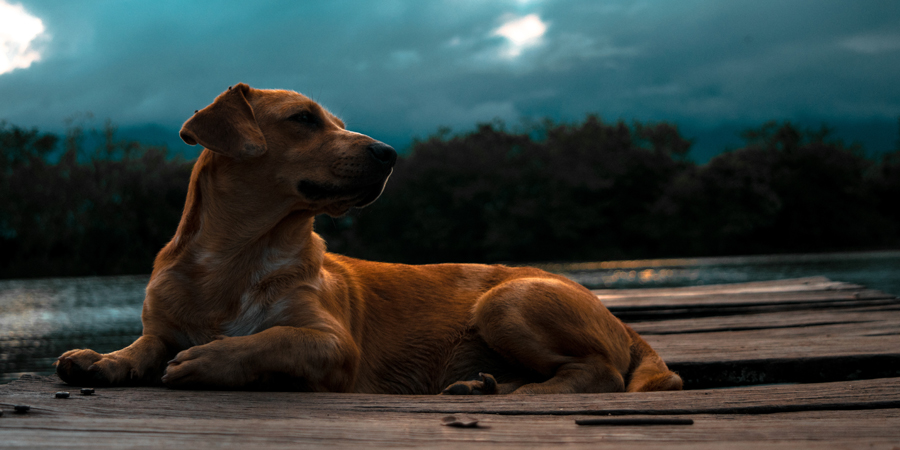 Nine years ago, a mere 30 veterinarians gathered to discuss ways to help bring comfort to aging pets and help pet parents know when it’s time to say goodbye. That was the dawning of the International Association for Animal Hospice and Palliative Care (IAAHPC). Earlier this month, ten times that number gathered in Chicago to learn about trends in the emerging field.
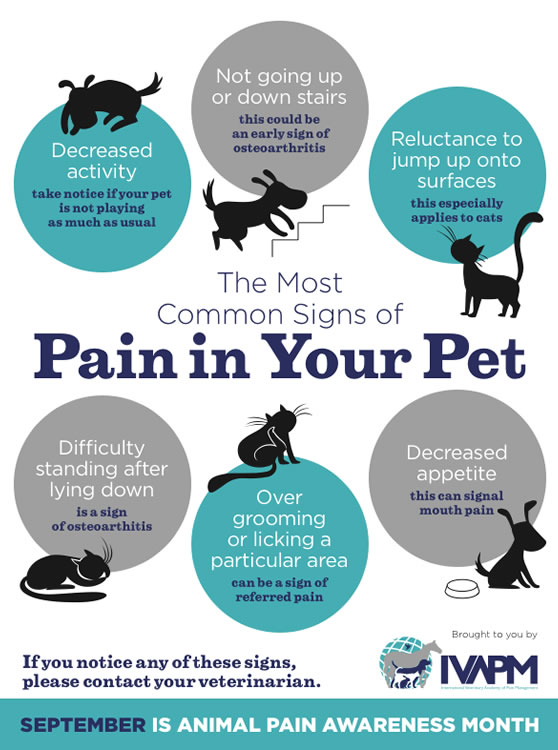 Pain Management Approach for Senior Companion Animals: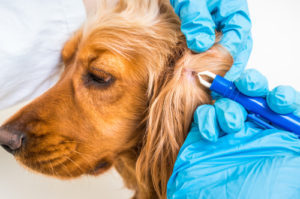
 Fido finds himself in a corner and seems confused. Lately, he’s spent hours staring into space. He doesn’t feel like playing with his human. Other times, he gets stuck behind furniture or acts afraid of people he once greeted joyfully. Sometimes he barks for no reason, and paces at night. And then there were those “accidents” on the living room floor, right after he’d been outside…

 Many pet parents are confounded by conflicting advice on pet food in general, whether it’s commercial, grain-free, biologically appropriate and/or raw. This confusion can be compounded as your pet ages and is faced with medical conditions that require special consideration when it comes to diet. Many diseases that are common in older dogs and cats may be nutrient-sensitive, meaning that diet can play an important role in the management of the condition. As a general rule, dogs and cats 7 years of age or older are at risk of age-related diseases, though specific breed size, genetics, and physical condition influence the aging process.