Saying goodbye to a beloved companion is one of the hardest decisions a pet parent will ever
face. Saying goodbye at home can help make that farewell as peaceful as possible.
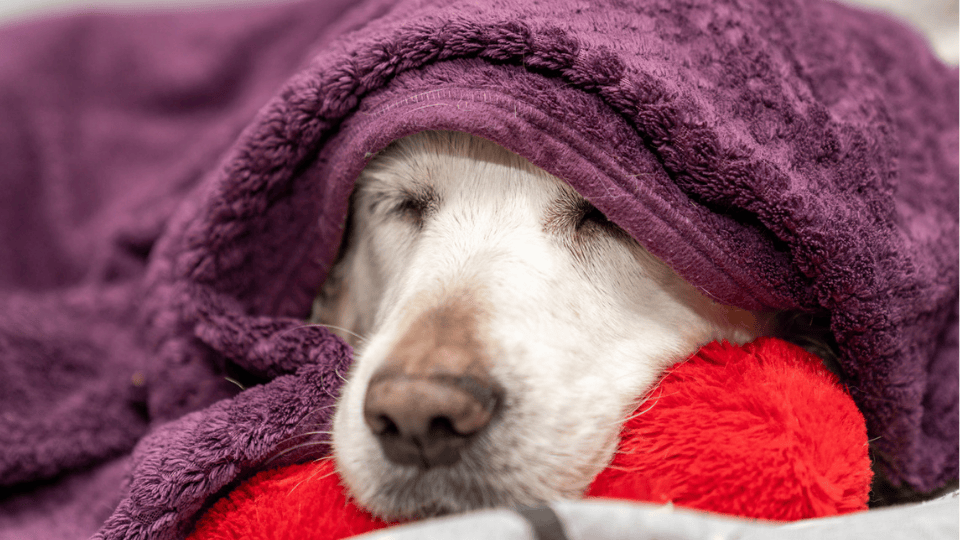
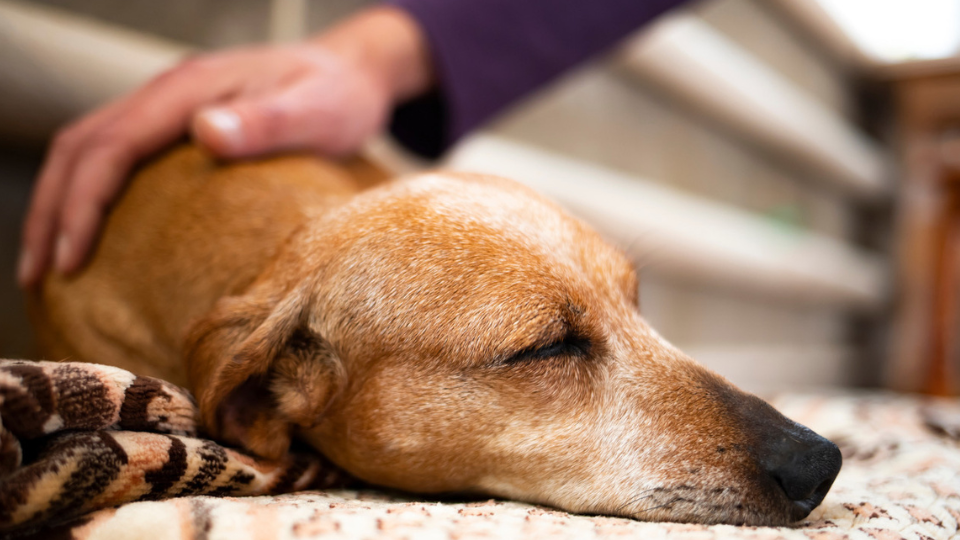
When a home euthanasia veterinarian arrives, your companion can stay in their favorite spot —
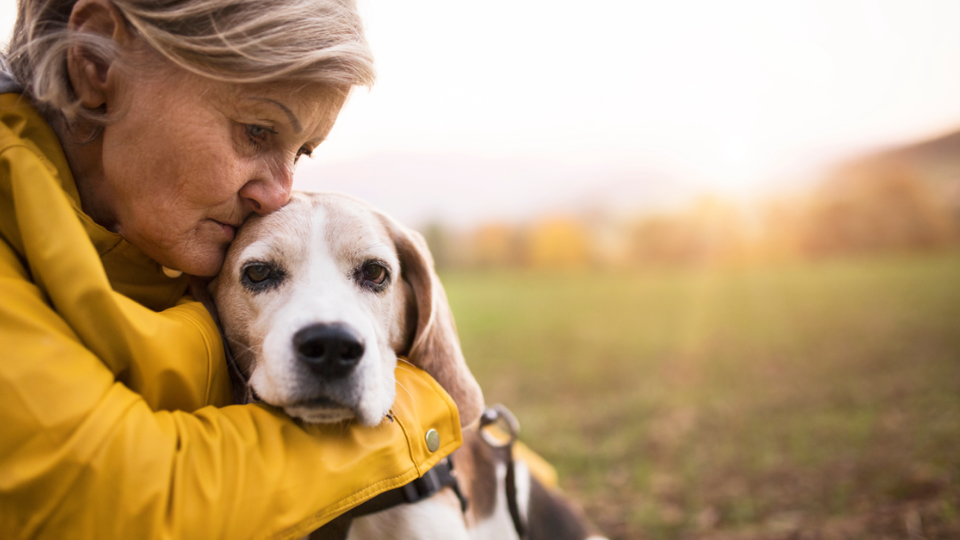
perhaps on the bed, nestled on a blanket, outdoors in the sunshine, even in your arms. Remaining
in a familiar environment helps minimize anxiety and allows your family to focus on what
matters most: surrounding your pet with love.
Your veterinarian will begin with a quiet conversation to explain the process, answer any
questions, and complete the legal paperwork. Many families choose to share memories, give
treats, or play calming music while preparing to say goodbye.
“We want them to find that deep sleep that’s going to allow for a peaceful passing as we aim to
make it a non-medical experience,” said Dr. Laurie Brush, founder of Heaven at Home Pet
Hospice.
The process begins with a sedation cocktail injected with a tiny needle to help your pet drift into
a calm, very deep, pain-free sleep – usually in 5 – 15 minutes.
Once your veterinarian is certain your pet is comfortable and completely unaware, and that you
are ready to say goodbye, the final injection is given. This medication travels to their brain and
tells them they don’t have to worry about breathing anymore and allows their heart to gently
stop. It is quick, painless, and marked by deep relaxation.
Some people wonder about the natural aspects of death – the eyes not staying closed, loss of
bowel or bladder control, etc. The veterinarian comes prepared to manage these issues deftly. Afterward, the veterinarian can gently transport your companion to our aftercare center for
cremation if you’ve selected that option. Your companion will be snuggled in a blanket on a
stretcher or in a basket. They will remain tucked in their blanket until it’s their turn to be placed
in the cremation cradle. Personalized memorial keepsakes such as paw prints, locks of fur or
nose prints are made. If private cremation is selected, ashes will be returned to you in an urn and
can be infused into keepsake jewelry or artwork you select to memorialize your bond.
Grief is a natural part of the process. Your veterinarian can connect you with pet loss support
resources and grief counseling. You’re not alone. You’ve given the greatest, most loving gift to
your companion – a compassionate, peaceful ending to their life story.