(616) 498-1316

News & Updates

How to Exercise Your Arthritic Senior Dog Safely

July 1st, 2025 by Ima Admin


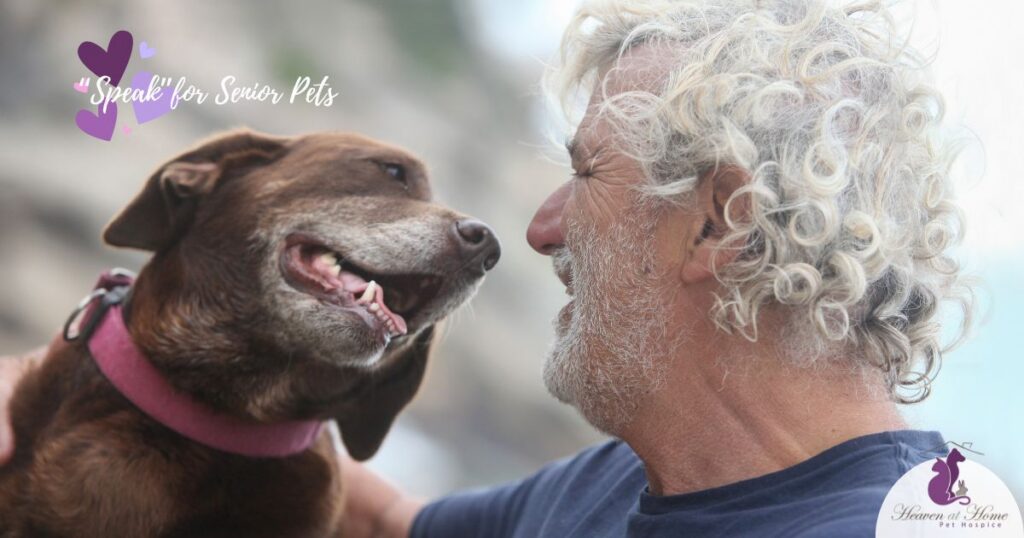
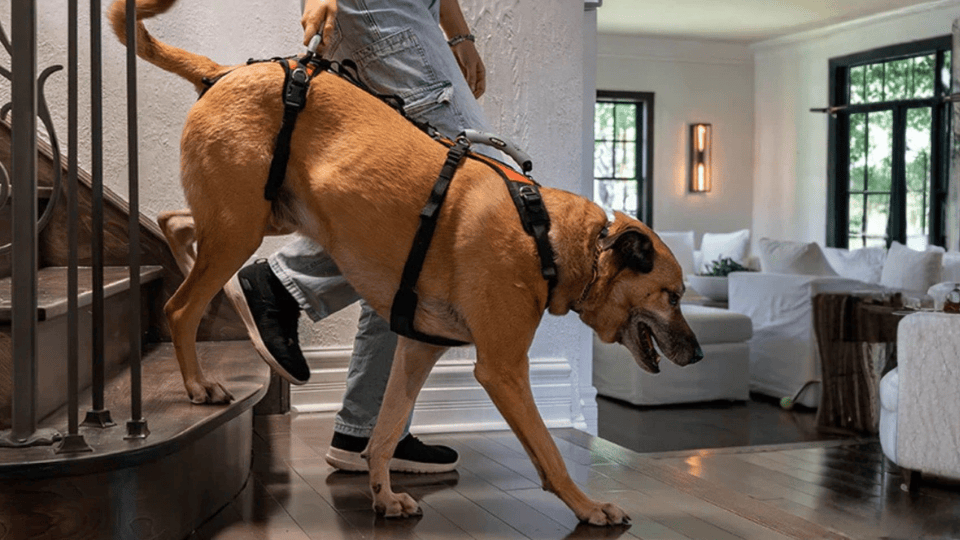
As dogs age, it’s common for arthritis to slow them down. But that doesn’t mean your golden oldie has to give up the things they love. With gentle movement, you can help your senior dog feel better and stay active.

“Regular, low-impact exercise is essential for arthritic dogs. Exercise has been shown to reduce pain, improve muscle mass, and allow dogs to continue to do the things important to them,” said Dr. Laurie Brush, founder of Heaven at Home Pet Hospice.

“Gentle exercise is key.”

The trick is to choose low-impact activities that won’t put too much stress on painful
joints. Read the rest of this entry »


Should You Consider Adopting a Senior Pet?

May 9th, 2025 by Ima Admin

Adopting a senior pet can be one of the most rewarding, compassionate decisions you make. You know what you’re getting, they’re often already trained, and they’re calmer companions who, if left in a shelter, are at risk for early euthanasia.

“It’s important to make sure adopting a senior pet is the right match for your lifestyle and home. Older dogs and cats often need a little extra care, but they give back tenfold in love, gratitude, and companionship,” said Dr. Laurie Brush, founder of Heaven at Home Pet Hospice.
Here are four questions to help you make that assessment. Read the rest of this entry »


Leptospirosis Update: Urban Risk & Vaccine Recommendation

April 28th, 2025 by Ima Admin

Leptospirosis is a potentially fatal bacterial disease that affects dogs and is zoonotic, meaning it can be transmitted to humans. In the past, it was considered higher risk for animals in rural areas with access to warm, wet, stagnant areas such as standing water, mud puddles, and even swollen rivers and ponds, where it can linger for months after being shed by wildlife and rodents when they urinate.

Leptospirosis is most often transmitted to dogs through mucous-membrane (mouth, nose or eye) contact with the urine of infected animals and/or contaminated food, bedding, soil, or water. Dogs may also be infected through the bite of, or by eating, an infected animal. Raccoons, skunks, opossums, rats, cows, and pigs are all known carriers of the infection. Dogs can also become infected from close contact with another infected dog.

Historically, vaccination against leptospirosis was considered “non-core,” (elective) recommended primarily for dogs with specific risk factors or living in higher risk areas. However, recent developments have led major veterinary organizations, including the American Animal Hospital Association (AAHA) and the American College of Veterinary Internal Medicine (ACVIM), to reclassify the leptospirosis vaccine as “core” (essential) for all dogs.

“This shift underscores the importance of universal vaccination to protect canine health. Infection can lead to severe health issues, including kidney and liver failure, and can be fatal if not promptly treated. It can also be transmitted from animals to humans, posing public health concerns,” said Dr. Laurie Brush, founder of Heaven at Home Pet Hospice.

Early signs of Leptospirosis include:

  • Loss of appetite
  • Increase or decrease in urine production
  • Uncharacteristic inactivity
  • Vomiting
  • Diarrhea
  • Abdominal pain
  • Severe weakness and depression
  • Stiffness
  • Fever

Why Vaccinate Against Leptospirosis

  1. Increased Prevalence: Leptospirosis has been reported in diverse geographic
    regions including Michigan, affecting dogs of all sizes, breeds, and lifestyles,
    including those in urban areas.
  2. Improved Vaccine Safety: Advancements in vaccine formulations have enhanced
    safety profiles, reducing the incidence of adverse reactions.
  3. Expert Recommendations: Organizations like AAHA and ACVIM have updated their
    guidelines to recommend annual leptospirosis vaccination for all dogs starting at 12 weeks
    weeks of age, reflecting a consensus on the necessity of widespread immunization.

Protecting Your Cats (and Dogs) from Avian Flu

March 31st, 2025 by Ima Admin

Millions of migratory birds and hundreds of commercial flocks in Michigan and surrounding states were infected with H5N1 Avian – “Bird” – flu this winter. The strain most deadly to felines was found in American dairy cattle as early as March of 2024, and then was found in unpasteurized milk and some brands of raw pet food earlier this year, causing illness and euthanasia in dozens of cats. Bird flu threatens to become pervasive this spring, and it’s vitally important that pet parents remain vigilant in the face of a pet pandemic.

“This strain of Avian flu is especially dangerous for senior felines. In Michigan, indoor cats on dairy farms have contracted it through indirect exposure. This suggests it’s highly contagious. Watching for early symptoms and protecting your pet is vital,” said Dr. Laurie Brush, founder of Heaven at Home Pet Hospice. Read the rest of this entry »


Video: How to Check Your Dog’s Mucous Membranes & Capillary Refill Time

March 28th, 2025 by Ima Admin

What: Dr. Kim Barnes from Heaven at Home Pet Hospice, Grand Rapids, demonstrates how to check your dog’s mucous membranes and gums for color, and how to test Capillary Refill Time (“CRT”) – the time it takes for color to return to the gums after you depress an area with a finger.

Why It Matters: This quick check can help you determine if your dog is suffering dehydration, shock, or other ailments. In senior pets especially, dehydration needs immediate attention. When speaking with Heaven at Home staff, you may be asked to report on your dog’s tongue and gum color, feel and CRT.

Key Takeaways include looking for a pink, wet tongue and a “bubble gum” pink color on the gums. A relatively fast CRT – eg. 1-2 seconds, is ideal. The longer it takes the color to return to the gums when you test, the more likely it is that your companion is dehydrated or suffering an issue with blood flow to tissue.


Free Senior Pet Tips Workshop at Your Pets Naturally!

March 3rd, 2025 by Ima Admin

Join Dr. Laurie Brush, founder of Heaven at Home Pet Hospice, on Saturday, March 22nd at Your Pets Naturally for a free workshop on ways to help your senior pet enjoy a comfortable quality of life as they age.

Time: 1:30 p.m.

Location: Your Pets Naturally, 6439 28th Street – (Next to D&W)

Topics: Presented by Dr. Laurie Brush, founder of Heaven at Home Pet Hospice

  • Mobility aids
  • Pain management
  • Nutrition
  • Mental stimulation
  • Bedding/Sleeping areas
  • Toileting

Please feel free to bring your questions!


Video on Clipping the Nails of a Senior Dog

March 3rd, 2025 by Ima Admin

What: Dr. Laurie Brush, founder of Heaven at Home Pet Hospice, demonstrates the real “at-home” way to clip your senior dog’s nail length.

Why It Matters: Properly trimmed nails have a major impact on improving posture and gait to reduce pain and preventing slips.

Key Takeaways include how to avoid the “quick” (the “little dot”) and how to know they’re the right length (you should be able to slide a piece of paper under the nails when standing!).


Covering Vacations When You Have a Senior Pet

February 28th, 2025 by Ima Admin

Taking a vacation when you have a senior pet can be stressful for both you and your companion animal. Older dogs have unique needs due to age-related changes in their physical and emotional well-being. Conditions ranging from arthritis and diabetes to sensory issues like failing vision, hearing or cognitive function all need to be considered.

“The least stressful thing you can do for a dog is have someone stay with them in their own home. Changing locations can be extremely disorienting to a senior pet, especially if they have any symptoms of cognitive canine dysfunction,” said Dr. Laurie Brush, founder of Heaven at Home Pet Hospice.

That doesn’t mean boarding isn’t the right fit for some families, especially with the advent of more “luxurious” boarding options that can accommodate senior pets.
Veterinary Assessment Before arranging care coverage for your vacation, first schedule a veterinary check-up to assess your senior dog’s overall health.

  • Ensure their vaccinations are up to date, and discuss any chronic conditions or
    medications they require.
  • Ask for referrals to preferred pet sitters, boarding facilities, or whether your veterinary practice offers medical boarding with 24/7 supervision.
  • Create a detailed health record, including condition history and any special medication and care instructions.
  • Make arrangements with your veterinarian to cover any emergency care that might arise, and discuss what to do if a serious medical emergency necessitates a compassionate end-of-life decision.

Boarding Facilities

Not all boarding facilities cater to the needs of senior dogs. Look for a facility that:

  • Offers a calm and quiet area designed for seniors.
  • Has experience in senior dog care.
  • Offers comfortable sleeping areas/beds and flooring that accommodate mobility issues.
  • Offers medication administration and frequent potty breaks.
  • Provides frequent monitoring/communication options.

Facilities with smaller playgroups or one-on-one care options may be better suited for older dogs.

Pet Sitters

  • Ask for referrals from your veterinarian or fellow pet parents.
  • If using an online app, carefully scour reviews, and ensure you’re clear on the sitter’s day
    and night availability and expectations for coverage.
  • Look for experience in pet care, including certifications.
  • Most good care providers will have a detailed questionnaire for you to fill out.
  • Discuss crisis handling and how decisions are made in your absence.
  • Schedule a meet and greet, plus a short trial stay.

Boarding a senior dog requires careful planning and communication to ensure their well-being. With the right preparation, both you and your beloved companion can enjoy peace of mind while you’re away.


The Surprising Importance of ‘Pawdicures’ for Pets

December 20th, 2024 by Ima Admin

Did you know that regular nail maintenance for senior dogs alleviates pain, improves mobility, and supports rehabilitation? Keeping your dog’s nails trimmed is essential. Here’s why:

Posture & Pain

Long nails cause discomfort and severe consequences in senior dogs because they alter the natural alignment of the paws, forcing your companion to shift his or her weight improperly. This can lead to pain in the joints, ligaments, and muscles. According to a study published in Veterinary Surgery, prolonged postural changes due to overgrown nails exacerbate arthritis.

“For a dog, walking on long nails feels like wearing very high heels! Trimming the nails reduces pressure on the toe joints, helping to restore proper posture. This relief can significantly improve a senior dog’s comfort and quality of life,” said Dr. Laurie Brush, founder of Heaven at Home Pet Hospice.

That’s why veterinary surgeons and rehabilitation specialists recommend weekly nail trimming on senior dogs. Frequency helps prevent the “quick” (the fleshy part) inside the nail from getting too long and avoids the vicious cycle of over-sensitized toe pads and traumatic clipping sessions with bleeding.

Slips & Falls

Properly trimmed nails ensure that the dog’s paws make full contact with the ground, improving grip and stability. Research in canine biomechanics shows that dogs with well-maintained nails exhibit better balance and fewer incidents of slips and falls, especially on slippery surfaces. The Heaven at Home team routinely recommends that pet parents use foam mats and even toe grips to further prevent slip risks at home.

Rehabilitation Support

For senior dogs recovering from surgery or managing conditions such as hip dysplasia, maintaining short nails is crucial. Physical therapists for animals often emphasize nail care as part of rehabilitation programs. Long nails can interfere with gait retraining exercises, impeding progress. A study from the Journal of Small Animal Practice notes that dogs undergoing rehabilitation therapy for orthopedic issues demonstrated better outcomes when nail care was incorporated into their treatment plan.

Tips for Safe Nail Care

  • Use high-quality nail trimmers designed for dogs, and/or consider a grinder (such as a Dremel tool) if your dog doesn’t tolerate clippers or you prefer smoother edges.
  • Trim gradually to avoid cutting into the quick, which can be painful and cause bleeding.
  • If unsure about proper techniques, consult a professional groomer or veterinarian for home tutorials.

Trimming senior dogs’ nails is more than a grooming necessity—it is a key aspect of their health care routine. By reducing pain, enhancing mobility, and supporting rehabilitation, regular nail maintenance can dramatically improve the quality of life for aging dogs.


Continuing Bonds – Part 2: The West Michigan Pet Loss Support Group

November 11th, 2024 by Ima Admin

Recent research has explored the psychological phenomenon of “continuing bonds” in pet loss grief and a resulting increase in depression. The study outlined a two-pronged approach to promote healing: support and memorialization. Grand Rapids pet parents are fortunate to have local resources for both!

“Sharing feelings in the safe space created by a support group can be the most powerful healing experience for people. It is healing to receive affirmation that others have experienced or are experiencing what you’re experiencing,” said Ginny Mikita, who leads the West Michigan Pet Loss Support Group.

Mikita’s life-long love of animals led her first to law school at Notre Dame where she sought to represent the interests of animals, and more recently, to animal ministry. She officiates Blessings of the Animals regularly throughout West Michigan in both religious and secular places.

Through the West Michigan Pet Loss Support Group, she aims to help pet parents process unexplored grief and understand that their behaviors and feelings are not unique. Whether someone is sleeping with his dog’s blanket, having vivid dreams or a spiritual sense of her companion animal’s presence, or purging the house of all reminders of their pet, they learn that such things are “normal” and examples of what Mikita calls “universal expressions of how people deal with grief.”

“One of the things that can happen in a group setting is there are often people at every stage of grieving, so it can help to see there is light at the end of the tunnel. Over time the impact lessens, but our hearts emerge a little more tender,” Mikita said.

Mikita feels many different acts of commemoration have therapeutic value. Here are a few ways to help the healing begin:

  • Have a commemorative paw print or jewelry made
  • Retrieve cremains in a commemorative urn or memorial items
  • Create a photo album, scrapbook or video
  • Take cremains to a special place such as a dog park where you had spent some time together (if you plan to spread the cremains, please secure permission from the municipality or other governing body or land owner)
  • Plant a tree, donate a park bench, or otherwise make a contribution in memory of your pet or companion animal
  • Have an intentional ceremony or ritual to formally acknowledge your loss

There is life on the other side of “the Rainbow Bridge.” We can honor our past bonds and prepare our hearts for new ones with the help of community support and memorialization.

The WMPLSG meets the second Tuesday of each month from 6:30 – 8 p.m. at Heaven at Home Pet Hospice’s Comfort Center. To attend, please RSVP 616.460.0373 or ginny@animalblessings.love by noon on the day the group meets.