
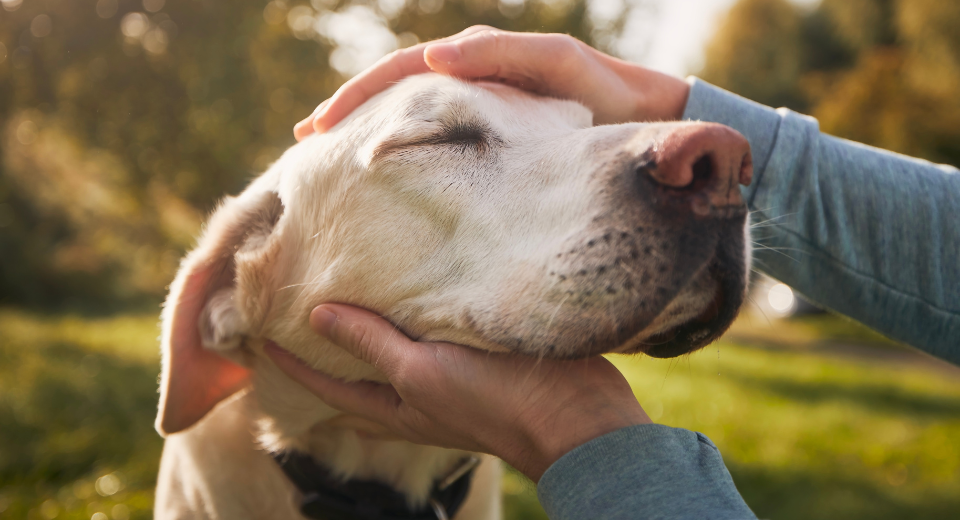
During home euthanasia, a veterinarian helps a pet die peacefully in familiar, comfortable surroundings. Although individual protocols vary, medication is typically given first to relieve anxiety and allow the pet to become deeply relaxed or asleep. The veterinarian then administers the euthanasia medication, confirms the pet has died, and assists the family with aftercare arrangements if desired.
Veterinarian Perspective
One of the greatest advantages of home euthanasia is that the pet can remain in a place where they feel safe—perhaps on a favorite bed, outside in the sunshine, or surrounded by the people they love.
Your veterinarian should explain each step before proceeding and give you time to ask questions and say goodbye. Many veterinarians first administer sedation so the pet becomes deeply relaxed or unconscious before the euthanasia medication is given.
Once the final medication is administered, consciousness is lost and the heart stops. Families may sometimes notice a final deep breath, small muscle movements or twitches, eyes not remaining completely closed, or release of bladder and/or bowel control. These are normal, expected physical changes and do not mean your pet is experiencing any distress or pain.
Afterward, families can usually spend private time with their pet before the veterinarian assists with previously chosen aftercare arrangements.
Clinical Takeaway: Home euthanasia is designed to minimize fear, discomfort, and stress while allowing a pet’s final moments to take place in familiar surroundings. Ask your veterinarian beforehand about sedation, what you may observe, and aftercare so you can focus on being present with your pet.