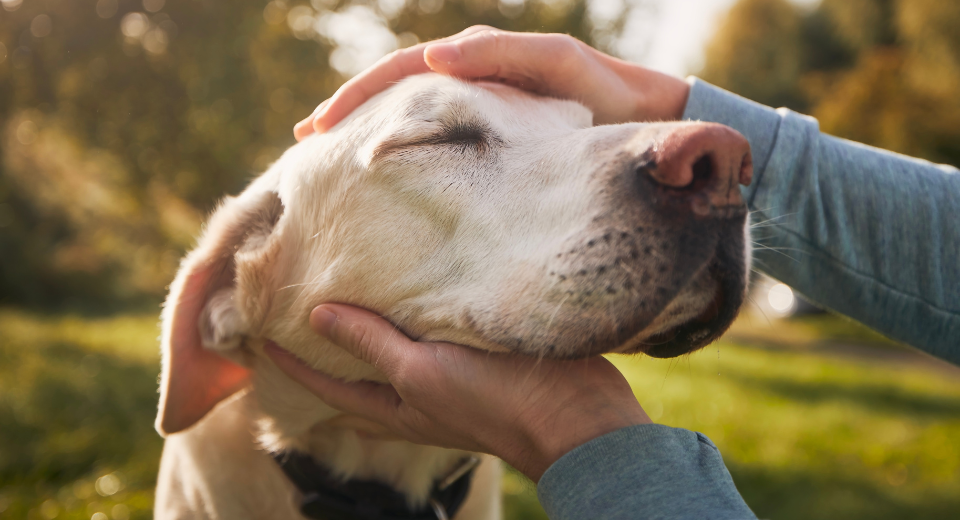
 Aquamation, also known as alkaline hydrolysis or water cremation, is an aftercare option that uses water, gentle heat, and an alkaline solution to accelerate the natural process that occurs when a body decomposes. At the end of the process, the pet’s mineral remains are dried and processed into a fine powder that can be returned to the family, much like cremated remains after traditional flame cremation.
Veterinarian Perspective
Families making end-of-life decisions for a pet are increasingly encountering the term “”aquamation”” when considering aftercare.
Unlike flame cremation, aquamation does not use fire. The pet’s body is placed in a specialized vessel containing mostly water along with an alkaline solution. Controlled temperature and circulation accelerate the breakdown of soft tissues through a process called alkaline hydrolysis.
What remains afterward is primarily the mineral portion of the bones. These remains are carefully dried and processed before being returned to the family when individual aquamation has been selected.
Families can generally memorialize aquamated remains in many of the same ways they would memorialize ashes from flame cremation. They may be kept in an urn, divided among family members, buried, scattered where appropriate, or incorporated into certain memorial jewelry, glass, art, or other keepsakes.
Although people commonly refer to the returned material as “ashes,” aquamation does not actually produce ash because nothing is burned. Terms such as cremated remains, aquamated remains, or cremains may still be used conversationally.
Clinical Takeaway: Aquamation is a flame-free form of pet aftercare that uses alkaline hydrolysis rather than combustion. Families can receive their pet’s processed mineral remains afterward and keep or memorialize them in many of the same ways as remains returned after traditional cremation.
 There is rarely one unmistakable moment when a family knows it is time to euthanize a pet. Veterinarians look at the overall pattern of quality of life: whether pain and other symptoms can still be controlled, whether the pet can rest and move comfortably, whether they are eating and drinking adequately, and whether they continue to experience activities and interactions they enjoy. When discomfort can no longer be adequately managed or difficult days consistently outweigh comfortable ones, euthanasia may be the kindest option.