
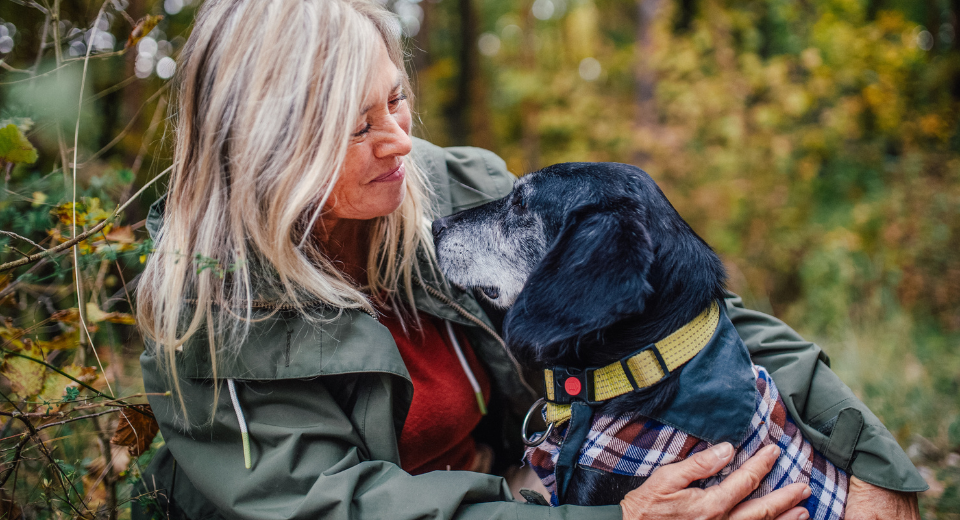
November is a season for gratitude. For many of us, that includes gratitude for the pets who have shared our lives by greeting us at the door, making us laugh, comforting us on difficult days.
When a beloved pet enters the final chapter of life, we have an opportunity to return some of that devotion by making every day as comfortable and meaningful as possible.
That is where pet hospice can make a dramatic difference.
“Pet hospice isn’t about giving up. Instead, the focus shifts toward preserving comfort, dignity and quality of life. Small changes can have an enormous impact, even extending a beloved companion’s sunset chapter,” said Dr. Laurie Brush, founder of Heaven at Home Pet Hospice and Board Member of the International Association for Animal Hospice and Palliative Care.
Helping Pets Keep Doing What They Love
For a senior or seriously ill pet, simply getting up and moving may become difficult. Keeping nails properly trimmed can improve footing. Toe grips may help with traction while rugs, runners, yoga mats and other non-slip surfaces can create safer pathways across slippery floors.
Stairs can become another obstacle. Ramps, modified steps or simply relocating beds and raising food and water bowls can reduce unnecessary effort. Support harnesses, slings and other assistive devices can help pets remain mobile and involved with family life.
“The goal isn’t exercise for exercise’s sake. It’s helping your pet continue doing the things that matter to them—following you into the kitchen, going outside to sniff the yard or settling into a favorite spot,” said Dr. Brush.
Appetite
Hospice care also considers your pet’s desire and willingness to eat.
Pain, nausea, medications and disease can all affect appetite. Managing nausea or discomfort, adjusting medications, changing food texture or temperature, or offering particularly appealing foods may help restore not only nutrition, but also one of life’s everyday pleasures.
Good Pain Control Can Change the Day
Pets often hide discomfort remarkably well. A wagging tail or interest in treats doesn’t necessarily mean a pet is pain-free.
Hospice veterinarians assess subtle changes in mobility, posture, breathing and heart rate, sleep, behavior and interaction that may indicate pain. An individualized pain-management plan can then be adjusted as a pet’s needs change.
The real impact of hospice is often found in ordinary moments: a comfortable nap, an eagerly eaten meal, a peaceful trip outside, or another evening resting beside the people they love.
Our pets give us countless reasons to be grateful throughout their lives. Near the end, one of the greatest gifts we can give in return is thoughtful care that protects what still brings them comfort and joy.