
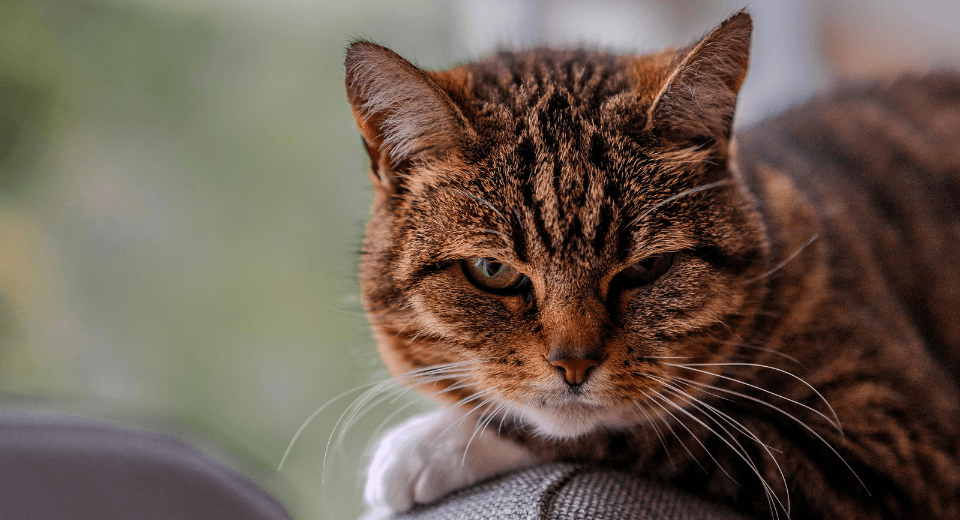
Cats stop eating for many reasons, including nausea, pain, dental disease, kidney disease, cancer, constipation, medication effects, stress, or progression of serious illness. Because cats can develop additional medical problems when they don’t eat, a significant change in appetite should be discussed promptly with a veterinarian rather than assumed to be a normal part of aging.
Veterinarian Perspective
Appetite is an important indicator of health and comfort in cats. Even subtle changes—eating less, approaching food and walking away, licking only gravy, or suddenly refusing a favorite food—can provide important clues.
A veterinarian may look for treatable causes such as nausea, dehydration, constipation, oral pain, medication side effects, or uncontrolled underlying disease. Depending on the cause, medications, hydration support, appetite stimulants, pain management, or changes in food temperature, texture, and smell may help.
For cats receiving hospice care, however, the goals surrounding food may change. As disease progresses and the body begins shutting down, appetite often naturally decreases. At that stage, repeatedly forcing food may create stress without improving comfort.
Clinical Takeaway: A cat who stops eating isn’t necessarily “being picky.” Appetite loss can be an important medical and quality-of-life signal. Contact your veterinarian to determine whether the cause can be treated and whether encouraging food is still helping your cat feel better.






 For the first time in the history of veterinary medicine, hospice and palliative medicine is on the path to becoming a board-certified specialty. Pet parents and veterinary professionals can help make that happen by learning more and engaging with the American Veterinary Medical Association’s feedback process.