
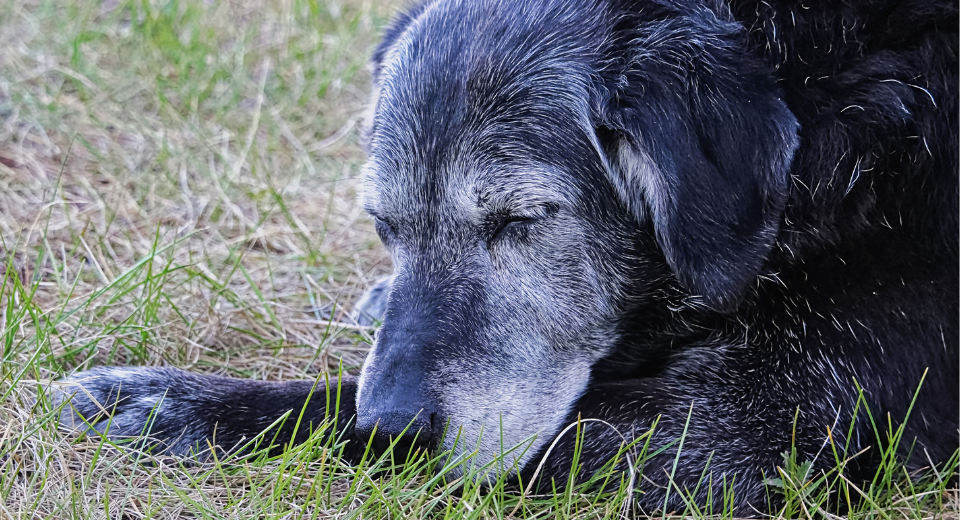
Pets approaching the end of life may sleep more, become weaker, eat or drink less, have difficulty standing or walking, withdraw from normal activities, become restless or confused, or develop changes in breathing and elimination. These changes vary considerably between pets and illnesses. Because some symptoms can still be treated or relieved, new changes should be discussed with a veterinarian rather than assumed to mean death is imminent.
Veterinarian Perspective
The final stage of life does not look exactly the same for every dog or cat. Changes may develop gradually over weeks or appear more rapidly as an illness progresses.
Families may notice increasing fatigue, weakness, loss of interest in food or water, difficulty changing position, incontinence, altered sleep patterns, confusion, restlessness, or less interest in people and surroundings. Some pets seek more attention, while others prefer quiet or solitude.
Changes in breathing deserve particular attention. Increased effort, persistent panting at rest, unusual breathing patterns, or obvious difficulty breathing can indicate distress and should prompt veterinary guidance.
It is also important not to assume that every change is simply part of dying. Pain, nausea, dehydration, constipation, anxiety, infection, and medication effects can cause similar symptoms and may be treatable. A hospice veterinarian can help determine what is happening, which symptoms can be managed, and what the family should expect next. Having a plan before a crisis develops can make this period less frightening for both the pet and the people caring for them.
Clinical Takeaway: End-of-life changes usually appear as a pattern rather than one specific sign. Ask your veterinarian which changes are expected with your pet’s illness, which can be treated, and which should prompt an urgent call.