
(616) 498-1316

How Can You Tell if Your Pet is in Pain?

August 30th, 2019 by Laurie Brush

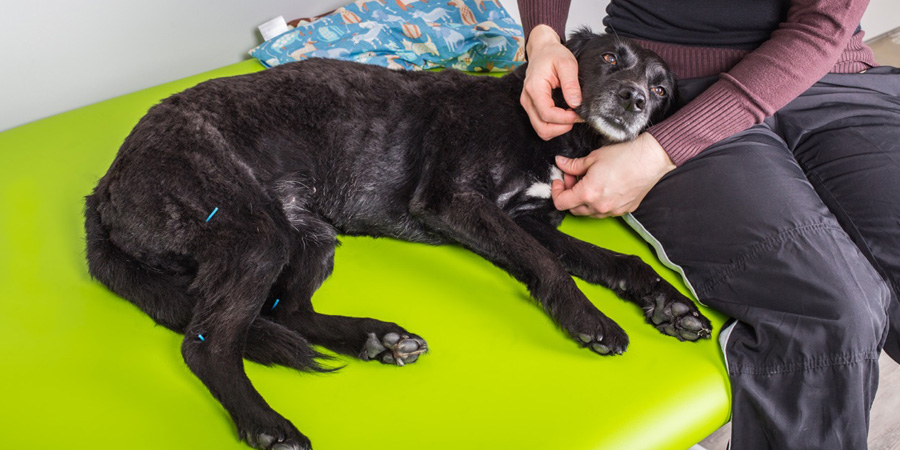
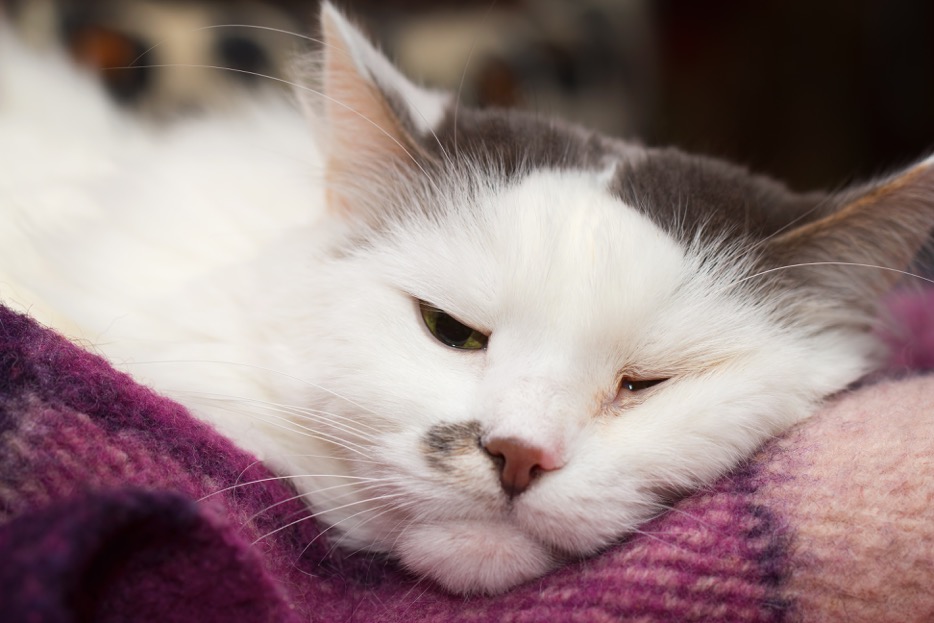
September is Animal Pain Awareness month.

Our companion animals often instinctively hide their pain. It’s a habit that has evolved as a survival mechanism to prevent predators from targeting them.

“Pain in dogs and cats can be difficult to measure,” said Dr. Laurie Brush, founder of Heaven at Home Hospice, which provides palliative and euthanasia services throughout West Michigan. Read the rest of this entry »


One Year Later: Michigan Dog Flu Epidemic

August 23rd, 2019 by Laurie Brush

By this time last summer, Michigan was amidst a rapid spread of Canine Influenza, three years after an outbreak of new strain H3N2 in Chicago. In Grand Rapids, some doggie daycares closed and mounted mass vaccination efforts while pet parents sidelined social opportunities for 10-30 days to confine the spread. Meanwhile, confirmed cases of CIV spread across the US, with approximately 20% of affected pets contracting the severe, life-threatening form. Read the rest of this entry »


A Guide to Tick Risks in Michigan & What to do About Them

July 18th, 2019 by Laurie Brush

Summertime Lyme on the Rise

Whether you’re heading to the Lake for a summer vacation or staying closer to home to enjoy the great outdoors, be on the lookout for the increasingly pervasive Black Legged (Deer) tick, purveyor of Lyme disease.

Frequent pet checks will help keep your pet – and your family – safe from Lyme disease, which has increased five-fold in the past decade throughout Michigan and is reaching what the CDC is calling epidemic proportions across America. The CDC estimates 300,000 cases last year, making Lyme the fastest growing vector-borne illness. Read the rest of this entry »


Is Lepto Lurking in That Puddle?

April 11th, 2019 by Laurie Brush

Spring rains bring flowers, but pet peril can lurk in standing water, mud puddles, and even swollen rivers and ponds. Invisible bacteria, 250 strains strong, lurk in warm, wet, stagnant areas. Leptospira can fight for survival for months in these areas after being shed by wildlife and rodents when they urinate.

Leptospirosis is a zoonotic disease, meaning it can affect both dogs and humans, and be transmitted from dogs to humans. It can cause severe kidney or liver failure, meningitis, difficulty breathing, and in some cases, lead to death. In some dogs, for reasons unknown, it can also be asymptomatic. Read the rest of this entry »


Identifying and Coping with Canine Cognitive Dysfunction

April 1st, 2019 by Laurie Brush

Fido finds himself in a corner and seems confused. Lately, he’s spent hours staring into space. He doesn’t feel like playing with his human. Other times, he gets stuck behind furniture or acts afraid of people he once greeted joyfully. Sometimes he barks for no reason, and paces at night. And then there were those “accidents” on the living room floor, right after he’d been outside…

Fido’s loyal human thinks these are just symptoms of old age. But Fido knows something’s not right.

These symptoms, among others, could point to Canine Cognitive Dysfunction Syndrome (CCD), a disease similar to Alzheimer’s, where tissue changes in the brain block normal communication between neurons. Both Humans and dogs can develop beta-amyloid plaques on their brains. Read the rest of this entry »


BalanceIt: A Unique Approach to Nutrition for Companion Animals

February 13th, 2019 by Laurie Brush

BalanceIt, a vet-guided nutrition companion for pets including senior dogs and cats in West Michigan

Many pet parents struggle to know the best food, and method to feed their companion animals. Commercial pet food recalls can be scary, as can news about the FDA investigating boutique & grain-free dog food as a potential cause of hidden heart disease.

Veterinarians typically recommend commercial or prescription foods that meet these guidelines developed by the World Small Animal Veterinary Association:

  1. Food is formulated by full-time, board-certified Ph.D. veterinarian nutritionists.
  2. Food is manufactured by a company that conducts extensive live feeding trials.
  3. Company’s R&D team publishes peer-reviewed research.

Yet well-meaning pet food stores often direct pet parents toward heavily marketed boutique brands that do not meet these guidelines. Read the rest of this entry »


Keeping Your Senior Pet Warm This Winter

January 3rd, 2019 by Laurie Brush

Few topics inspire as much controversy as (faux?) fashion for our furry friends. Do they really need coats and booties, or is this a classic case of anthropomorphism? Inquiring minds want to know!

In actual fact, the suitability of pet outerwear depends on a number of variables, including your dog’s breed, coat, age and body condition, plus outdoor temperature and duration of exposure.

“Pets with diabetes, heart disease, kidney disease, or hormonal imbalances (such as Cushing’s disease) may have a harder time regulating their body temperature, and may be more susceptible to problems from temperature extremes,” said Dr. Laurie Brush, founder of Heaven at Home Pet Hospice.

Outerwear:

  • As a general rule, if your dog will only be outside for 10 minutes or less, they typically do not need any clothing.
  • Once temperatures drop under 20° F, all owners need to be aware that their dogs could potentially develop cold-associated health problems like hypothermia and frostbite. Watch for signs, including shivering, anxiety, and slowing down. Beware of the wind chill factor.
  • Double-coated dogs such as Siberian Huskies and Newfoundlanders are very unlikely to need clothing.
  • Shorter-haired breeds, senior dogs, puppies and dogs with medical conditions do benefit from the additional warmth.

Paw Protection:

One of the biggest threats to healthy paw pads is the salt used to melt ice on driveways, roads and sidewalks. Prolonged contact with deicers can lead to chemical burns on dog paws. Use pet-friendly salt, and cover your dog’s paws when out on walks with paw wax or booties.

  • Booties offer the best protection: Options include rubber-sole styles with double Velcro straps, waterproof nylon socks, and disposable rubbers.
  • For elderly dogs who are more prone to slipping and falling on ice, you may wish to try booties with a grip.


Bed Warmers for Arthritic Dogs and Cats

If your feline friend or canine companion is elderly and/or suffers from arthritis you may wish to offer a heated orthopedic bed. Styles range from simple heating pads to luxurious heated lounges. Use caution with external heat sources, ensuring your pet is able to get up and move off the heat source if he/she becomes too warm. You may wish to discuss the type of heat source you should use with your veterinarian.


Tips to Avoid Stressing Your Elderly Dog or Cat During the Holidays

December 19th, 2018 by Laurie Brush


You might think holiday stress is confined to last-minute-shopping humans, over-burdened hosts or folks with in-laws they secretly refer to as “outlaws.” If the holidays are stressful for you, imagine how your aging pet feels. Your own stress plus the bustle of the holiday season compounds pet stress, and it takes elderly animals longer to bounce back. Follow these tips to help your pets have a stress-free, happy holiday.

Read the rest of this entry »


Books for Adults on Grieving Pet Loss

December 18th, 2018 by Laurie Brush


Whether you recently experienced the passing of a pet or are having trouble letting go after some time has passed, The Heaven at Home team has resources that may help you through this difficult time. Books can be an invaluable part of your support system, and we’ve curated a few below that we feel will really help a pet parent navigate the loss. Read the rest of this entry »


Books for Children on Grieving Pet Loss

December 7th, 2018 by Laurie Brush


The Heaven at Home team knows that grieving the passing of your fur-baby is difficult and requires all the support you can get. On top of dealing with your own loss, if you have children, you also have to help them navigate what might be their first experience of losing a loved one. Books can play a helpful role in helping your child through the process.

The following are a few of the “gold standard” books written for children that are designed to help grieve a pet who has passed. Read the rest of this entry »