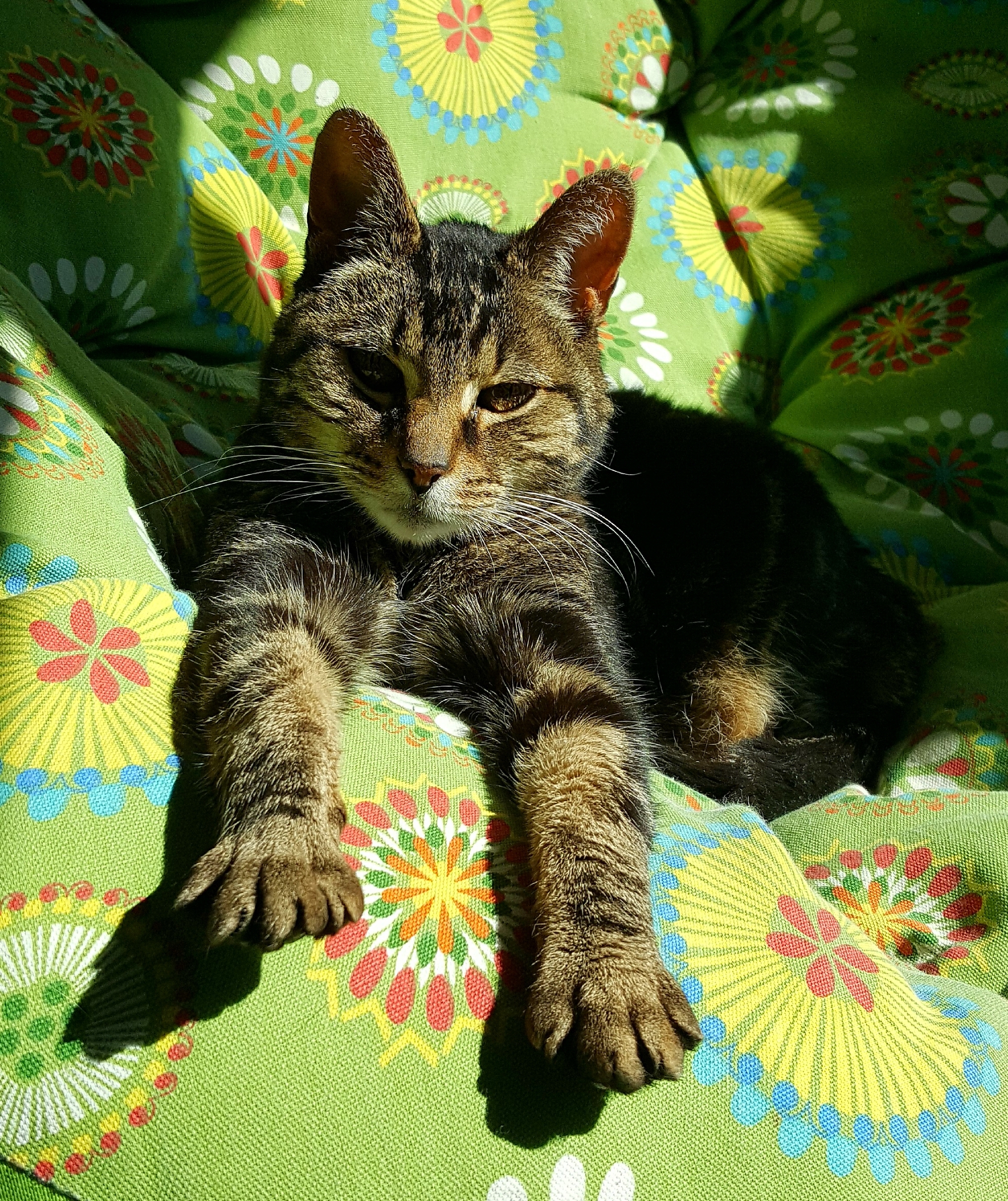
 Many pet parents are confounded by conflicting advice on pet food in general, whether it’s commercial, grain-free, biologically appropriate and/or raw. This confusion can be compounded as your pet ages and is faced with medical conditions that require special consideration when it comes to diet. Many diseases that are common in older dogs and cats may be nutrient-sensitive, meaning that diet can play an important role in the management of the condition. As a general rule, dogs and cats 7 years of age or older are at risk of age-related diseases, though specific breed size, genetics, and physical condition influence the aging process.
Dr. Laurie Brush, founder of Heaven at Home Pet Hospice, says senior pet nutrition can be a complicated issue but that conscientious pet parents can help their senior pets enormously by dialing in their pet’s diet to prevent obesity. Read the rest of this entry »
 A pet parent who wants to optimize their aging pet’s health by preventing weight-gain but maintaining a healthy weight has two avenues to success – controlling the inputs and measuring the output. In other words, “Read, Feed and Weigh.”

 The first rule of grieving is that there are no rules.
 Heaven at Home’s Dr. Laura Tay compiled the following tips to help children deal with grief over the loss of their pets after participating in a seminar by Kathryn Jennings, Executive Director of the International Association for Animal Hospice and Palliative Care (IAAHPC).